01
Find
Find similar climates
Start with the target location and identify comparable climates from a global city dataset.
50,000 citiesClimate dataPythonSimilarity analysis
Climate data as a starting point for architectural design.
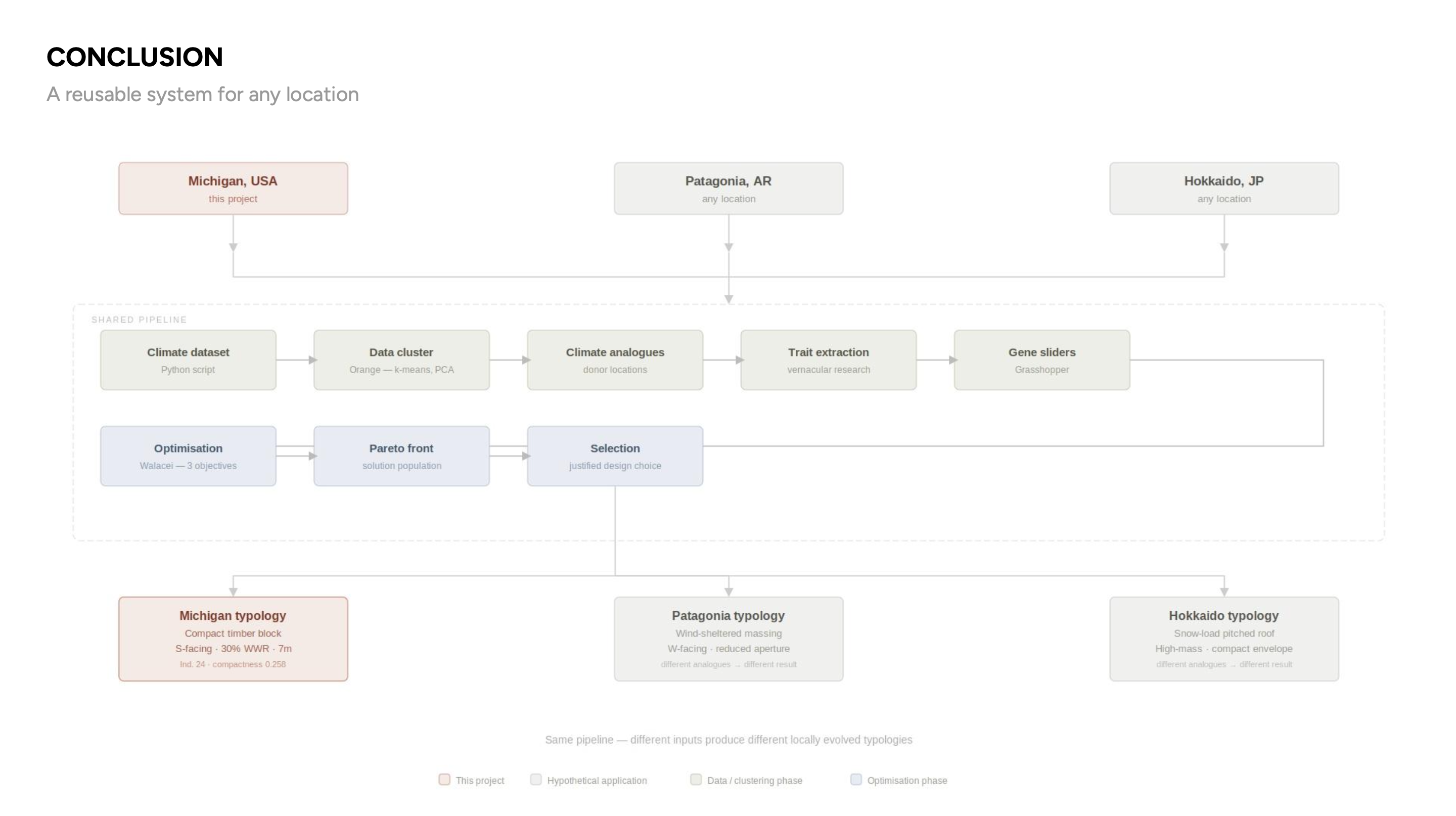
A computational design workflow that finds places with similar climates, learns from their vernacular architecture, and translates those strategies into parameters for new climate-responsive designs.
How do you design for a place when there is no local vernacular architecture to learn from?
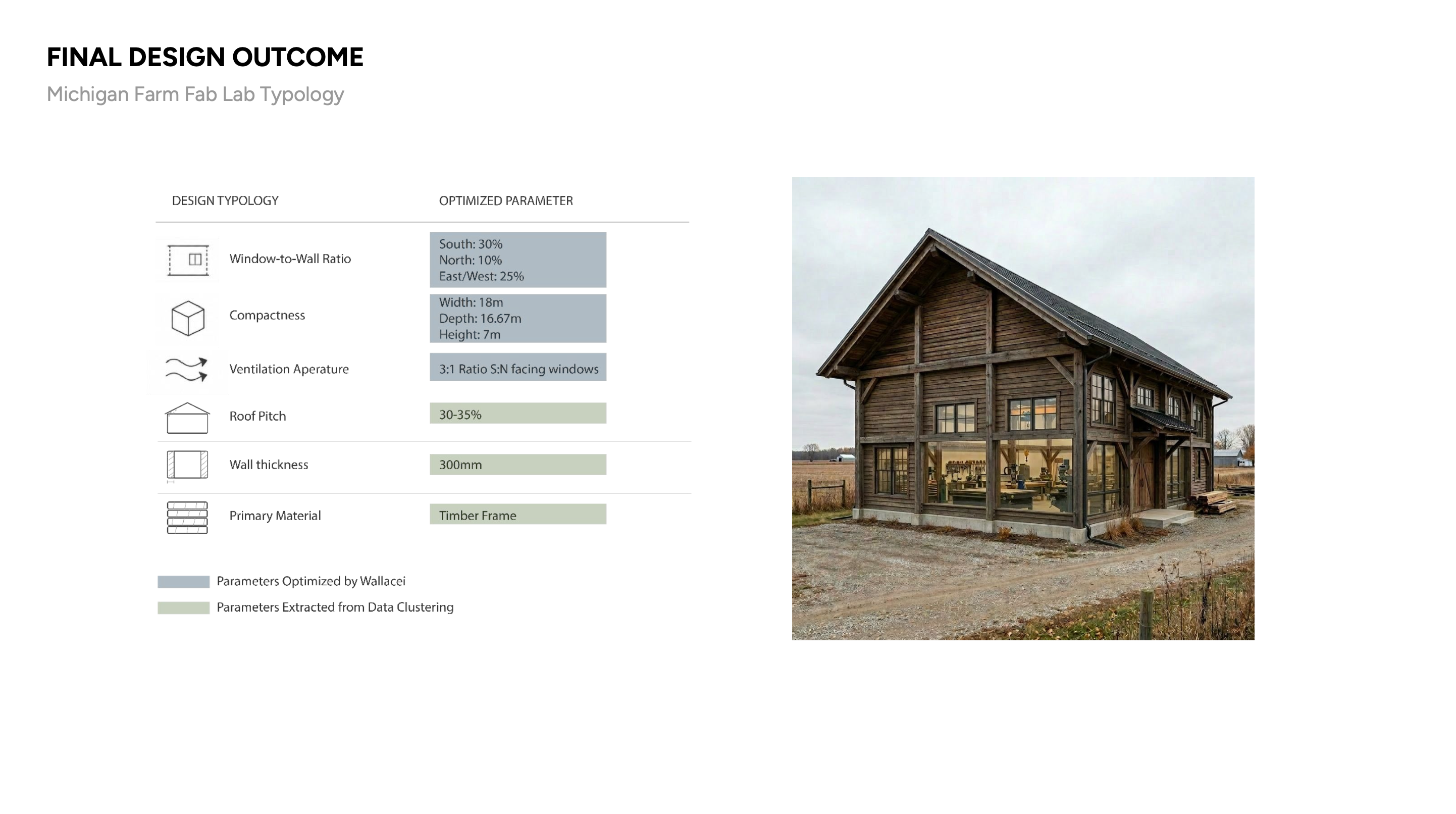
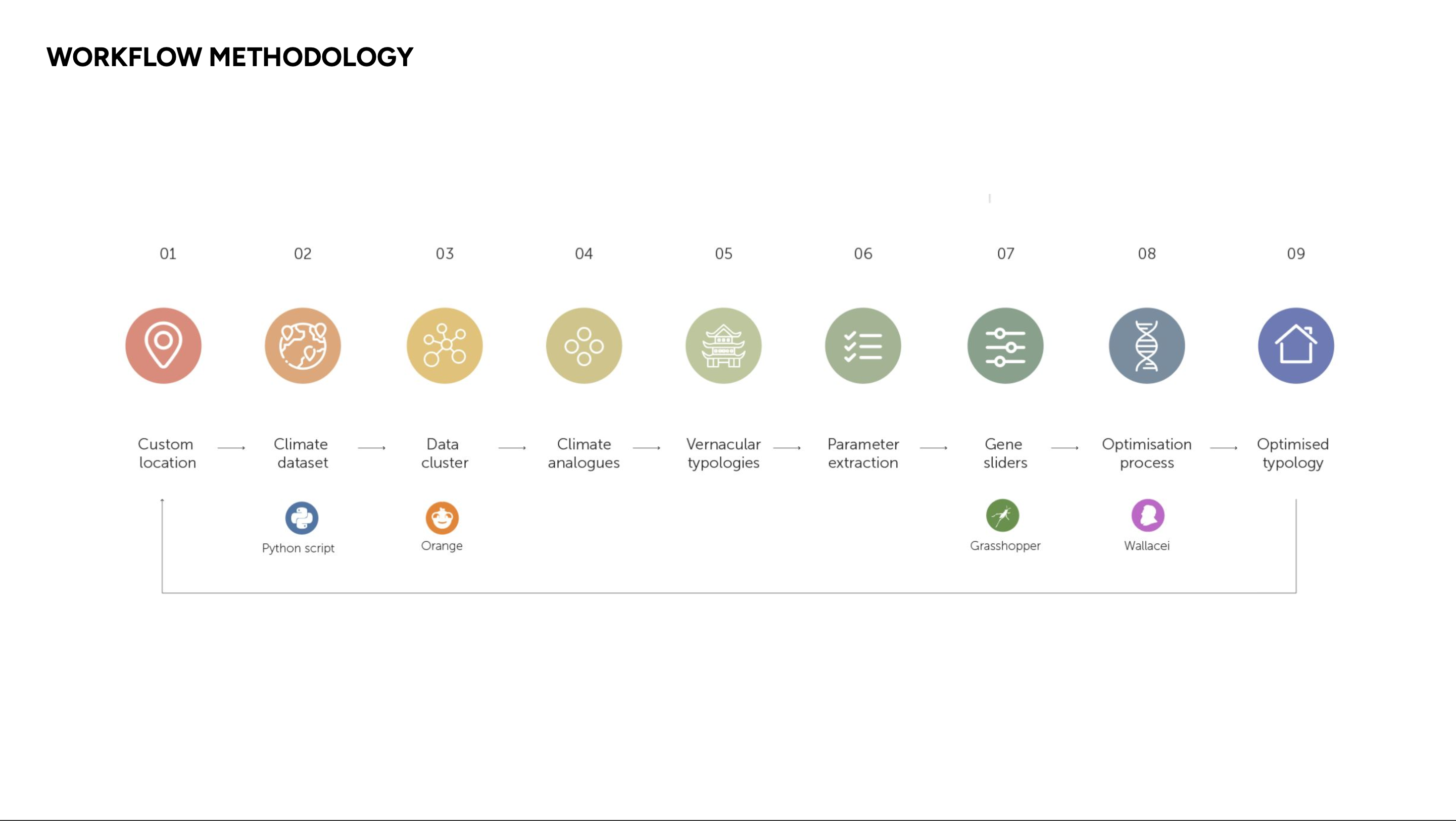
Project Michigan was developed as a computational workflow that searches globally for places with similar climates, learns from the architecture that evolved there, and translates those patterns into parameters for a new design. The project connects climate data, computational analysis and architectural optimisation to provide an evidence-based starting point for climate-responsive design.
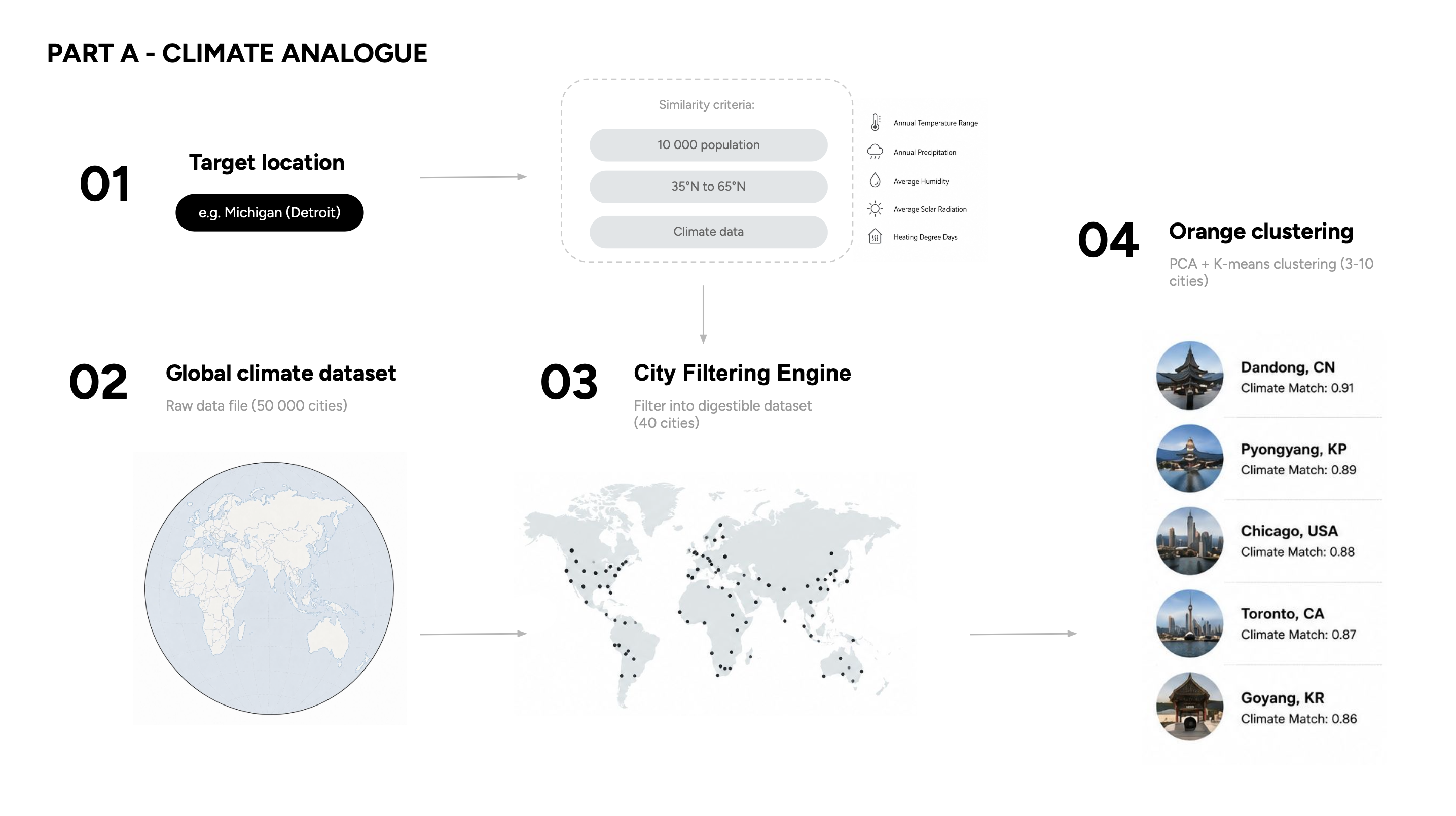
Start with the target location and identify comparable climates from a global city dataset.
Analyse the shortlisted cities to identify groups with genuinely similar climatic conditions.
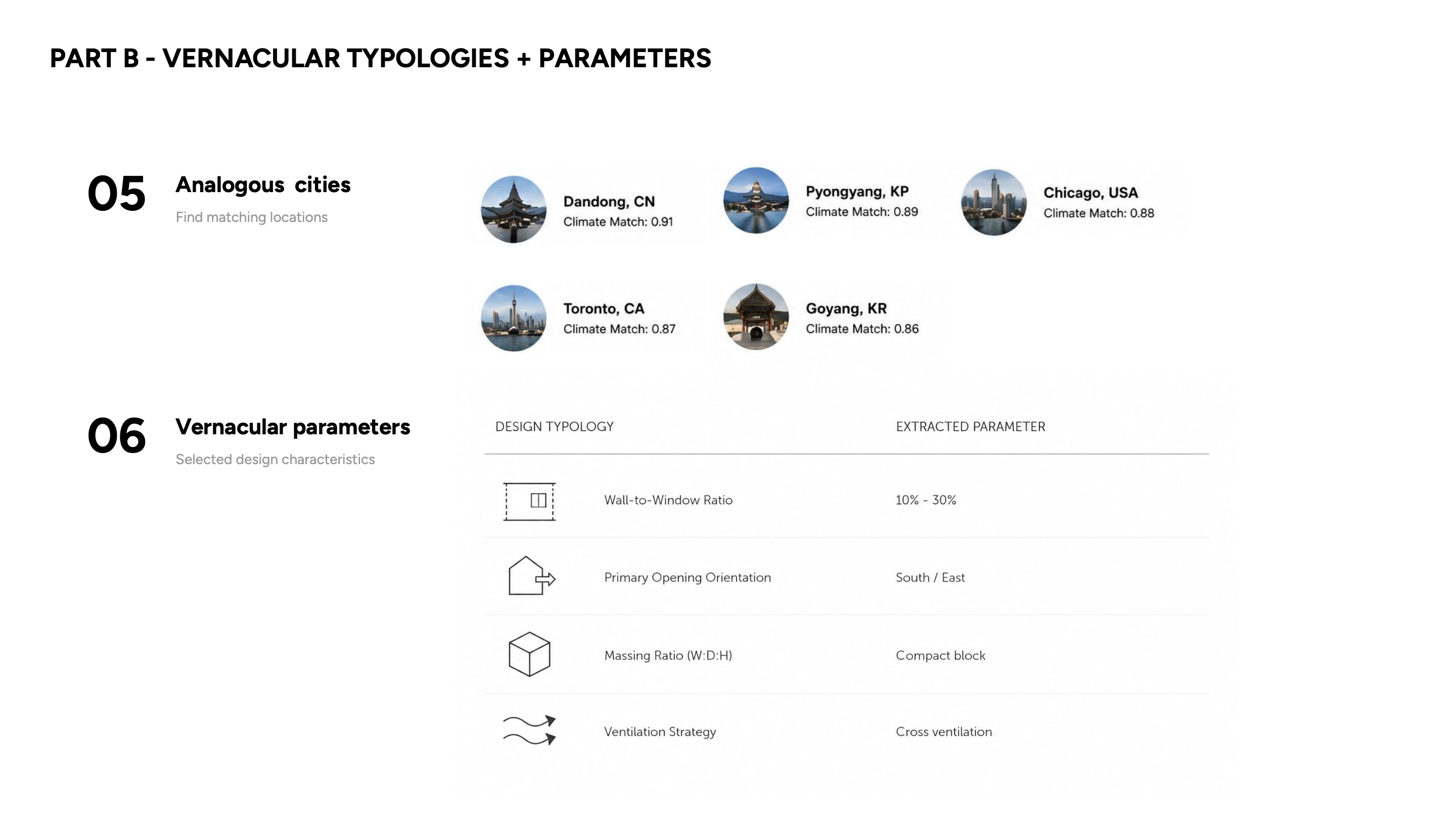
Study vernacular buildings from the matched locations and translate recurring strategies into measurable design parameters.
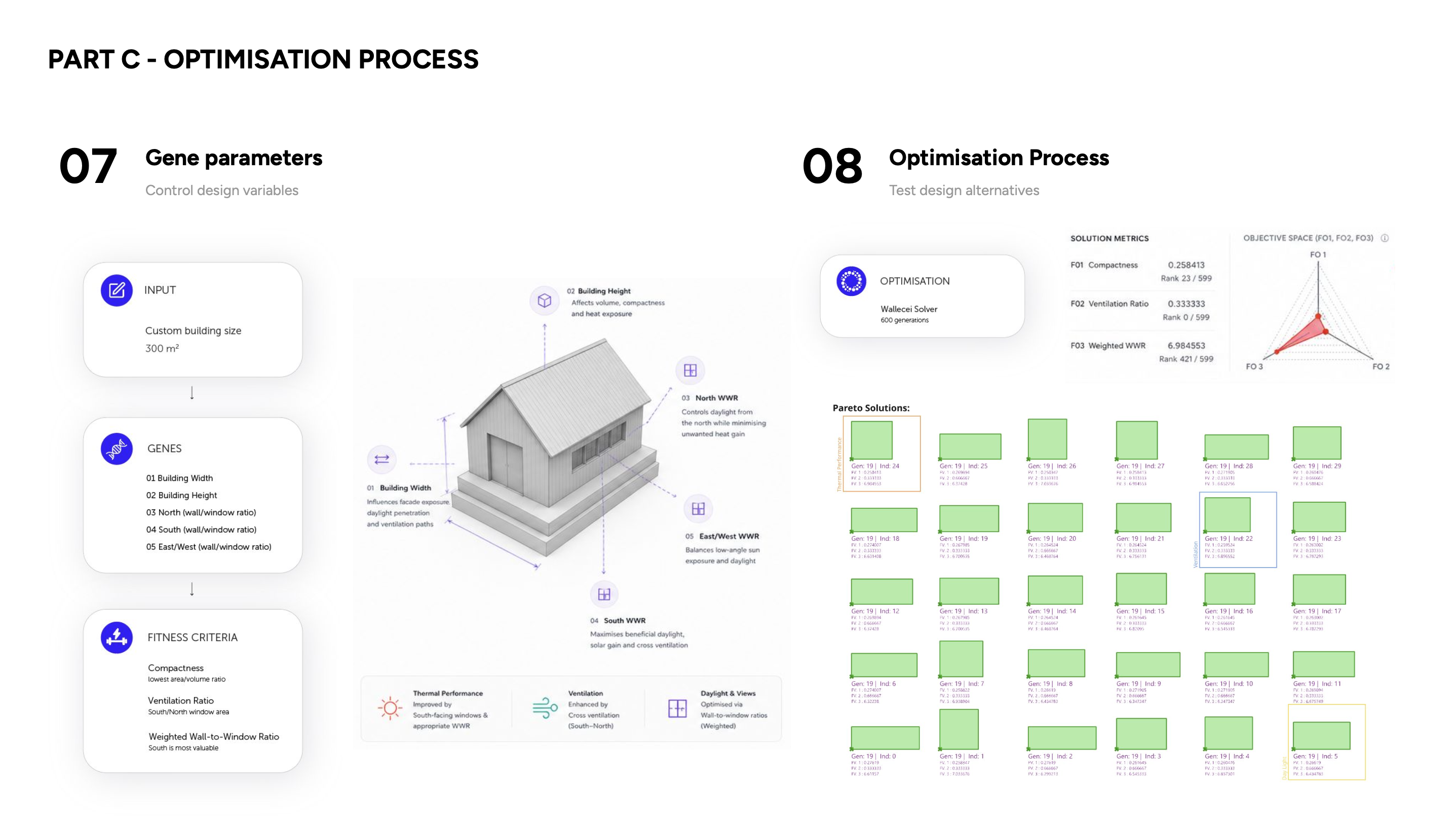
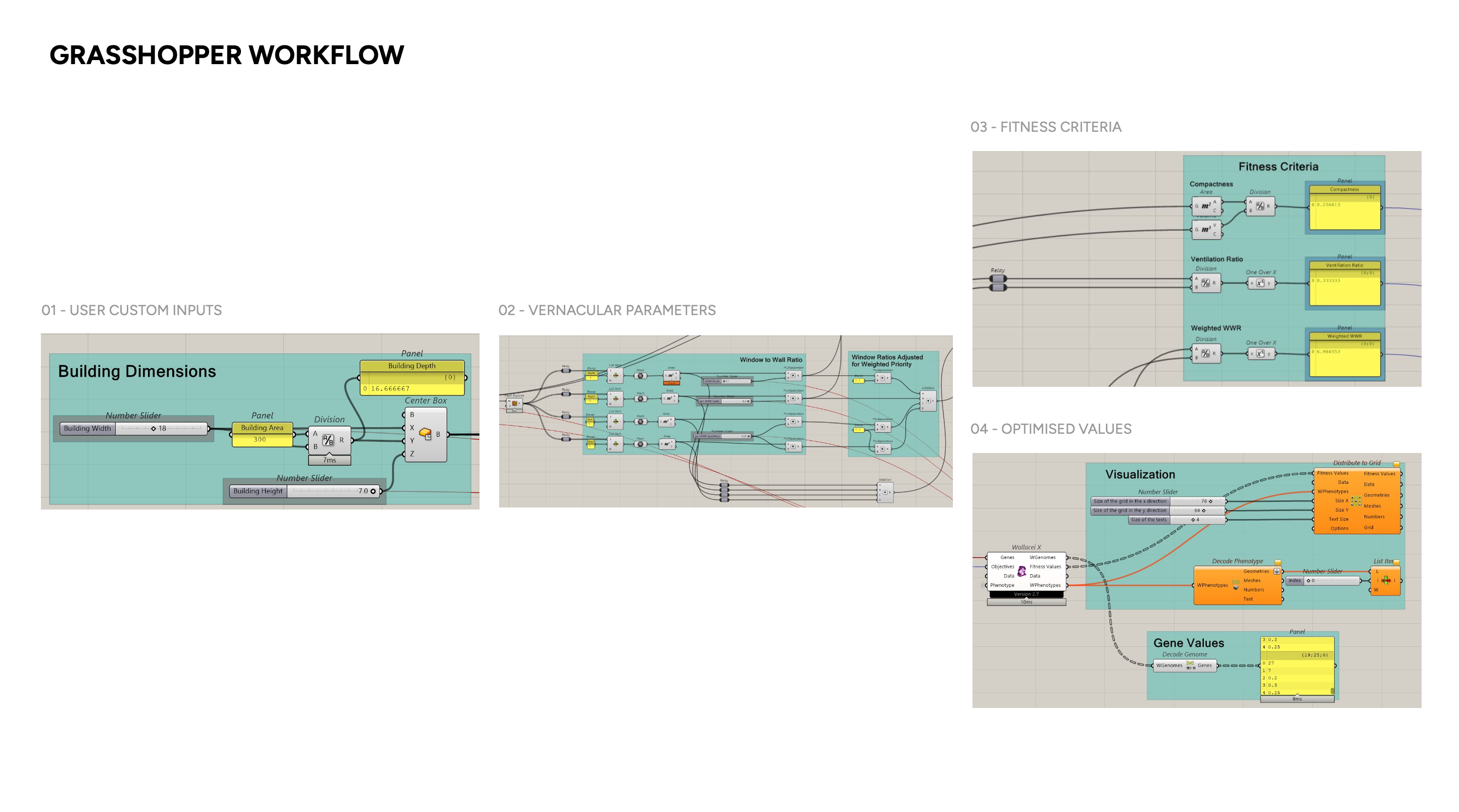
Translate the extracted parameters into controllable variables inside a parametric model and test alternatives against multiple performance criteria.
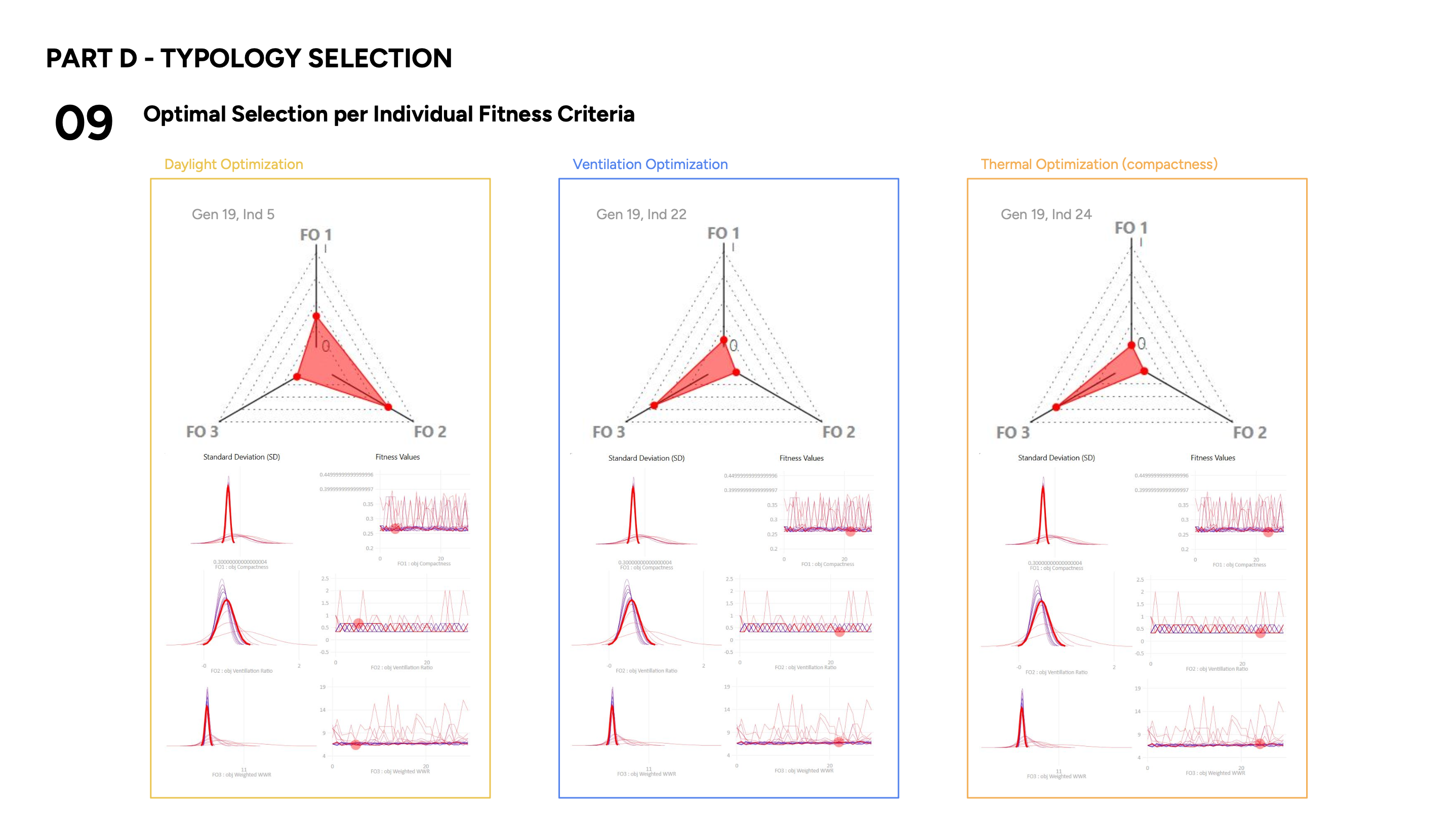
Compare the strongest alternatives and select a configuration that balances the different performance objectives.
A walkthrough of the climate engine used to find comparable climates.
A walkthrough of the PCA and K-Means clustering process.